
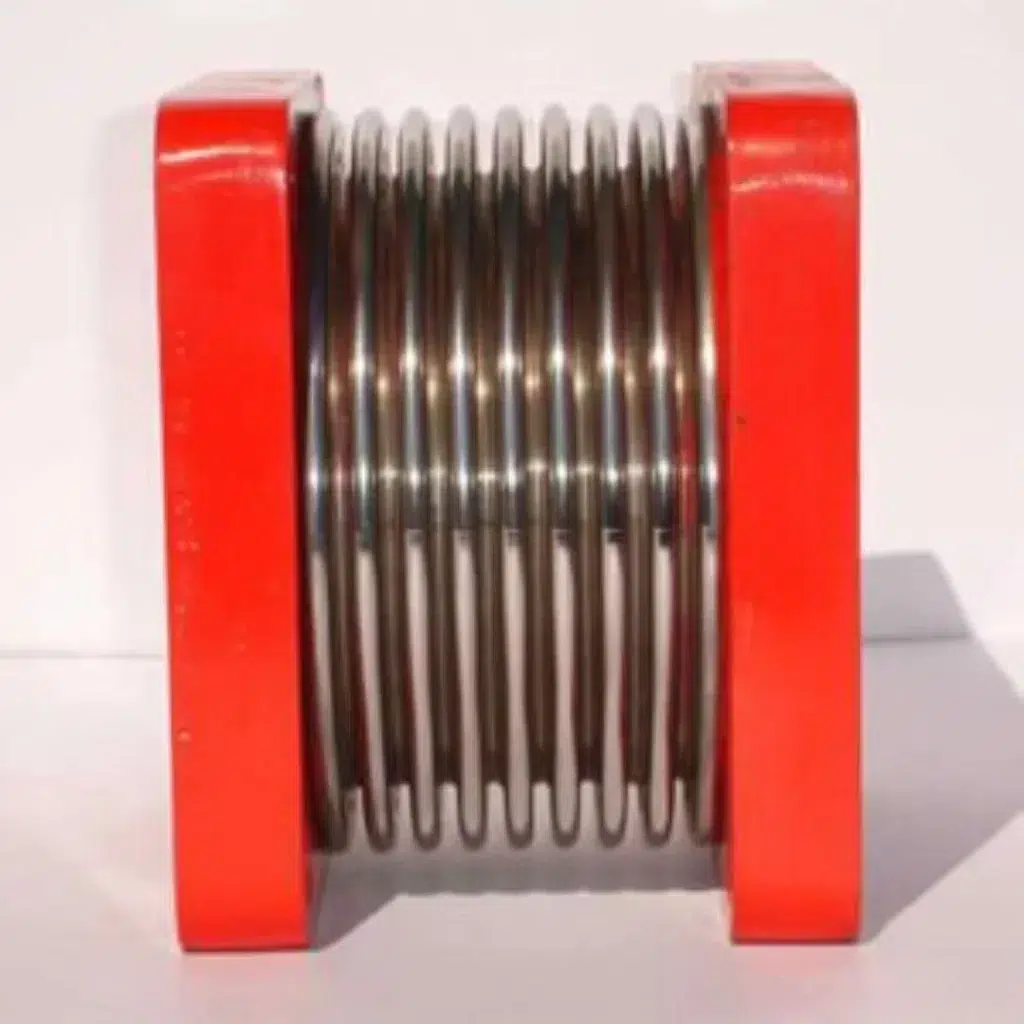
Flexible high-temperature hoses are focal components of the majority of industrial equipment that can resist high heat, pressure, and dynamic movement. Pipe material is continuously being exposed to hostile conditions that degrade it through internal mechanical and heat stresses. Detection of fatigue early enough to prevent fatal failure that jeopardizes safety and causes protracted downtime is essential. Ongoing inspection and maintenance will have such systems running frequently and dependably. Your piping shall be working at maximum capacity with the industry-leading Diesel exhaust expansion joints manufacturer.
Flexible pipe fatigue detection at elevated temperatures is to be utilized in ensuring performance and equipment longevity. Inspect for visible conditions in the form of surface cracks and pigmentation and pressure or alignment deviation. Periodic monitoring does have prodromal signs of fatigue included therein prior to complete loss of control.
Other Methods of Fatigue Detection in Your Flexible High-Temperature Pipe
Fatigue of Flex pipe under high temperatures can lead to disastrous failure if not noticed at its initial stage. Placed under adverse conditions like oil and gas, these pipes are subjected to high heat, pressure variation, and mechanical loading, leading to eroding of the materials over time. Symptoms detected early are of maximum importance to safety and efficiency in operations.
- Visible cracks
Check for tiny cracks, particularly around welds, bends, or joining areas. These would be under most likely recurrent thermal expansion and contraction, and pressure fluctuation cycle, which would weaken the material in the long term. Regular visual inspection under appropriate illumination and magnifying tools are required so that any defect could be identified before occurrence.
- Discolor or burn marks
Look for oxidation, color abnormality, or black discoloration at the area around bends or fittings because they are an indicator of what is to come. Hot spots are caused by internal friction, insulation breakdown, or thinning of the material. Use infrared thermography for hot spot detection and analyze heat distribution in extremely fine detail. If you wish your flexible pipe to be at top level, then the exhaust expansion joints manufacturer India is available around the clock.
- Material degradation
Exposure to chemicals, particularly high temperature, significantly speeds up the degradation of material. To safeguard the defective components from being damaged, it is advised to keep a routine schedule of non-destructive testing (NDT) activities. They could be anything from ultrasonic thickness testing, which checks material thickness accurately to assess possible weaknesses, and dye penetrant testing, which identifies surface-breaking defects through dyeing surfaces that are not accessible to human eyes. Adding such tests to a regular routine will make your materials much safer and better.
- Abnormal pipe movement
Any pipe location other than its original shape or position, i.e., sag, twist, or shift, needs to be corrected on the spot. Collapse of structure because of internal fatigue or loss of support is not allowed. To ensure proper operation the location and movement of the pipes must be continuously checked during operation and after cooling cycles.
- Flow violations
Low system pressure or unstable flow rates can be early warnings of corrosion problems that need to be addressed in time. And oh yeah Microcracking of materials or material fatigue can greatly reduce the pressure capacity and structural integrity of the pipe. To further watch over the condition of the system, add advanced pressure sensors and flow meters. These will enable you to track long-term patterns of change in performance so that you possess the correct type of information so that failures are not invented.
Conclusion
Early detection of high-temperature flexible pipe fatigue is a critical component of safe and reliable operation. Preventive inspections, prognostic maintenance, and early indication of symptoms of problems can save your equipment life and prevent costly downtime or accidents. In case of doubt, consult a piping specialist or a materials engineer to talk through your unique application and conditions.