
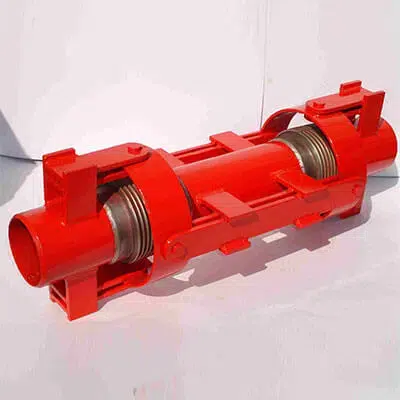
A well-designed pipe movement system is essential for protecting piping networks from damage caused by thermal expansion, contraction, vibration, and pressure changes. A stressed pipe movement system can be a source of decreased performance and endanger the effectiveness and safety of the system. Warning signs, if overlooked, can pose major problems, but they are often subtle. Homeowners should be able to know what to check to ensure that their pipe system functions at its best. This is achieved through the use of a gimbal expansion joint. This is vital for the protection of your pipe system from damage.
It is important to be aware of the symptoms of stress in a pipe motion system for early maintenance and repair works to be conducted. These acts help in increasing the lifespan of the pipes and the structures around them. Such symptoms include unusual sounds, moving or leaking pipes, and damaged support systems. Being vigilant helps ensure the system functions properly and prevents costs associated with repairs.
Different Signs That the Pipe Movement System is Under Stress
Stressed pipe movement can result in dangerous and costly problems if not attended to. Problems can easily be prevented when warning signs appear in a stressed pipe movement system.
1. Unusual noises in pipes
The banging, continuous pounding, creaking, and rattling noises, referred to as water hammer, are indicative of some problems within the plumbing area. The sounds can be very annoying, as they resonate with a haunting echo within the walls. The problem with these noises lies in the fact that they are indicative of some problems that need to be resolved. For your piping system to operate flawlessly, you would have to use the best gimbal expansion bellows joints available.
2. Cracks or damage in the pipe supports
The system appears to be worn down and damaged in many ways, including cracked clamps, damaged guides, and damaged anchors. This effectively means that the system is no longer capable of dealing with the normal movements of the pipes. This not only affects the strength of the system but also the whole system. The issues that have arisen are a clear sign that we are in dire need of an inspection and proper maintenance of the system.
3. Pressure and flow of water changes
When there are fluctuations in pressure or flow rates, it could be because of excess stress that is applying pressure to the pipes. For example, when there is stress in the pipelines, it could lead to an interruption of fluid flow or even cause the pipelines to change shape. Blockages might occur, or fluid flow could be adversely affected, which in turn results in reduced performance of the system.
4. Vibrations in walls or floor structures
High vibrations may exhibit a situation in which pipes are moving erratically. This action may pose a potential hazard to nearby structures. These structures may be endangered by a loss of strength and integrity. Moreover, such movements may spread within materials, hence destabilizing them. Failures may occur due to such circumstances, thereby posing dangers to human beings and the environment.
5. Structural damage near piping
Wall or ceiling cracks, or even flooring cracks around pipes, can be an indication that the pipes are experiencing too much pressure. Cracks can result from incorrect plumbing or movement with time. This can become a serious issue and even an occasion for water damage.
Conclusion
It is very critical to identify any stress in your pipe movement system as soon as possible. This will help you maintain the system and ensure it is always safe and functional. If you fail to identify any problems in your system, it might lead to serious system failures and damage other building structures.