
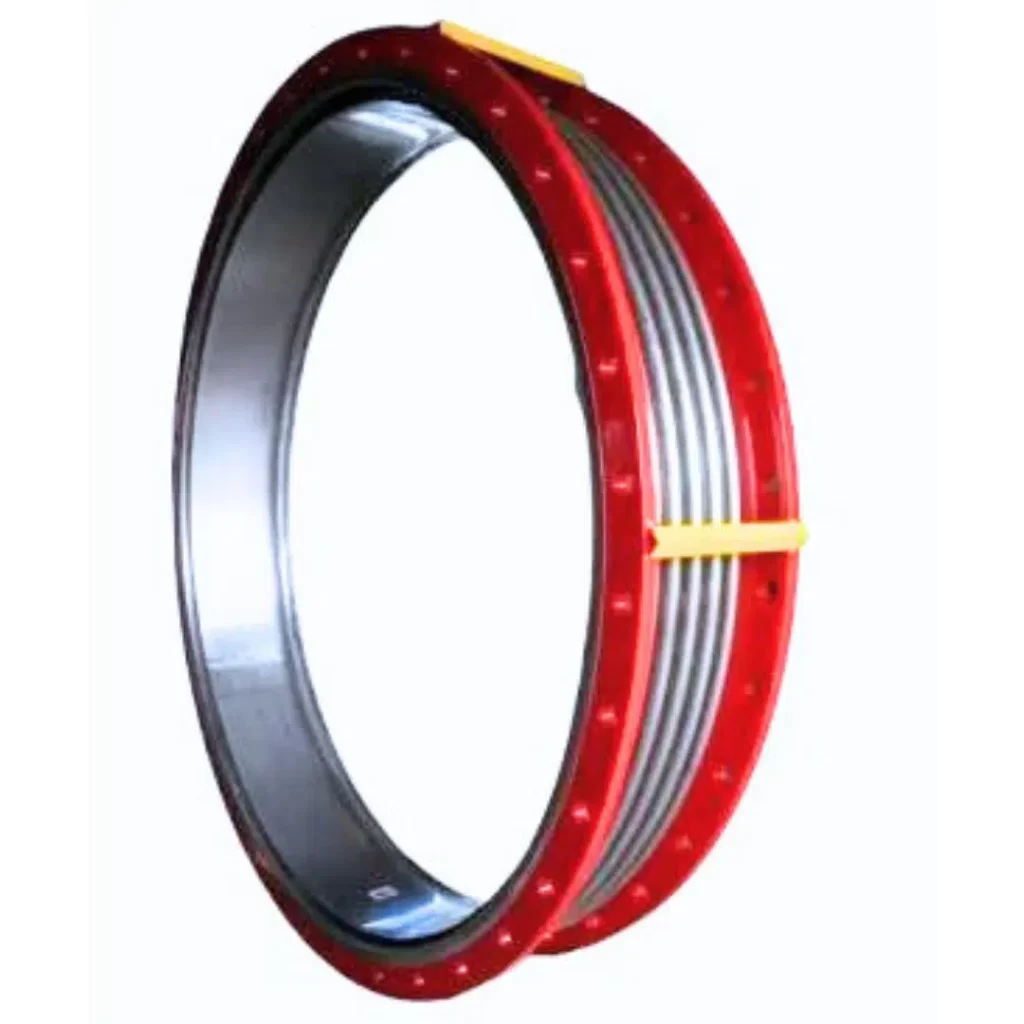
The efficient operation of an industrial pipe system is like keeping the highway functional. If all the parts function efficiently, then everything flows smoothly, and there is little or no downtime. The moment one of the parts fails, the whole process becomes inefficient. Maintenance is very important for safe and effective operations. It is important to work with a reliable exhaust expansion joints manufacturer.
Proper maintenance should be characterized by inspection and repair at the right time to make sure that small issues do not become bigger ones that lead to expensive downtimes. For those facilities handling steam, chemicals, gases, and water, a properly maintained pipe increases productivity, decreases cost, and increases the life span of your equipment.
Various Ways to Maintain Industrial Piping Systems for Optimal Performance
Industrial pipework is used to convey liquid, gas, and chemical substances through the processes of production. Maintenance becomes an important consideration for avoiding damage due to corrosion, leakage, and failure. This book explains necessary maintenance and inspection procedures for maximizing performance and extending lifespan.
- Start with regular visual inspections
The simplest maintenance task often delivers the biggest results. Inspect the pipelines at regular intervals and be observant of anything unusual that happens. Rust marks, water near joints, discoloration, poor support for the pipeline, and any motion are usually indications of a serious problem coming up ahead. Early detection will save both expense and time.
- Pay attention to expansion and thermal movement
The pipes in an industrial plant expand in hot conditions and contract in cold conditions. This expansion is perfectly natural. However, it becomes a problem once the system is unable to accommodate this expansion. Pressure builds up at fixed points and finally affects the welds and other joints. Good quality expansion parts from a reputable exhaust pipe bellows expansion joints manufacturer can help solve this problem.
- Monitor pressure and temperature trends
Pressure and temperature offer a good indication of the condition of a pipe network. When the pressure rises or falls sharply for no apparent reason, this may indicate that there is either a problem of blockage, a faulty valve, or a leak. Temperature fluctuations could point to problems with insulation or inefficiency of the fluid flow process.
- Check pipe supports and hangers
Besides moving fluids, pipelines also move themselves by virtue of their weight, especially if the pipelines are full. The problem with faulty supports is that they may make the pipelines unstable, leading to sagging, movement, and vibrations. This places extra pressure on the joints, valves, and other connected equipment. Imagine carrying a heavy ladder with one person, and suddenly letting go. The entire load shifts instantly. Pipe supports work the same way. Every support plays a role in distributing weight evenly.
- Maintain valves and seals
Valves experience several thousand cycles in their lifetime. Without proper maintenance, wear inside the valve, accumulation of debris, and torn seals may hinder its operation or cause leakage. Lubrication, cleaning, and scheduled testing maintain the efficiency of valves. This is also true of the gaskets and seals. It costs much less money to replace the seal during maintenance than to stop the work due to a leak.
Conclusion
Piping systems in industries require maintenance through proactive measures of ensuring efficiency rather than reactive measures of troubleshooting. Inspections, monitoring, controlling corrosion, and cleaning should be done regularly to ensure efficient performance. This results in reduced downtime, reduced maintenance costs, and improved lifespan of the equipment.