
A construction project without a proper piping system is something beyond imagination. Therefore, as a general rule, it is essential to maintain the integrity of the same.
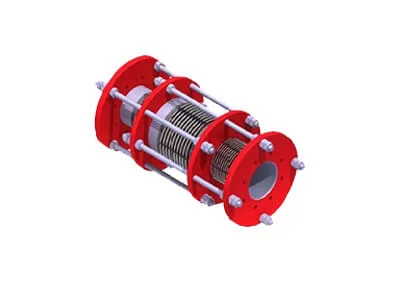
Among all components, superb-quality metal joints can be the best as they work as compensators to prevent damage due to intense fluctuation in heat, vibration, pressure, and compression.
Exclusively manufactured metal expansion bellows are differentiated as per the types of movements involved, like:
Axial joint
Rotational joint
Lateral joint
What are the Vital Types of Metal Expansion Joints?
Custom metal expansion joints are available in a wide range of shapes and sizes to suit specialty needs. Some of the most popular designs commonly taken into use are:
Basic joint bellows – Basic joint bellows may be used without end fittings, making them an ideal choice for field installation. Based on the sizes of the ends of each bellows, it becomes easy to choose the most appropriate option.
Unrestrained single – An unstrained metal expansion joint can be the right choice for a piping system that requires absorption of axial, angular or a certain amount ot radial movement.
Limit single – A limit single may be the most appropriate metal expansion joint for projects with main anchors and guides.
Tied single – Projects without a main anchor that use a tied single metal expansion joint may benefit from a tied single. It can resist pressure thrust, thus allowing lateral movement.
Now, it is time to consider important factors to select the right bellow joint.
How to Select the Right Bellow Joints for Meeting Project Requirements?
For an appreciable long-term performance, it is essential to select and install the right type of metallic bellows. There are vital factors that you need to consider at the time of making the right selection, including the following:
Type of application – Facility, along with the type of equipment and media, makes the difference in selecting the right type of metal bellows.
Conditions for operation – Operating conditions such as pressure, temperature, and the nature of the media influence the material and design of bellows.
Movement types – Anticipated movements are inclusive of axial, lateral, and angular movements, which depict the most appropriate metal bellows.
Life of cycle – It is the total number of flex cycles that plays a critical factor in determining the material and thickness of the metal bellows.
Compatibility – Material compability is all about ensuring that the bellow material is compatible with the respective media. The right component helps in preventing corrosion and early failure.
Installation process – Proper installation, along with proper alignment and anchoring, is essential to select the right type of metal bellow joint. It may help in preventing overextension, premature fatigue, and overcompression.
These are vital factors to consider when selecting the most appropriate metal bellows joint for your project.
In Conclusion!
Considering a few factors can help you select a metal joint that meets your project needs. Approaching a reliable bellows expansion joints manufacturer like Flexpert Bellows may fetch you a decent collection at an affordable price.