
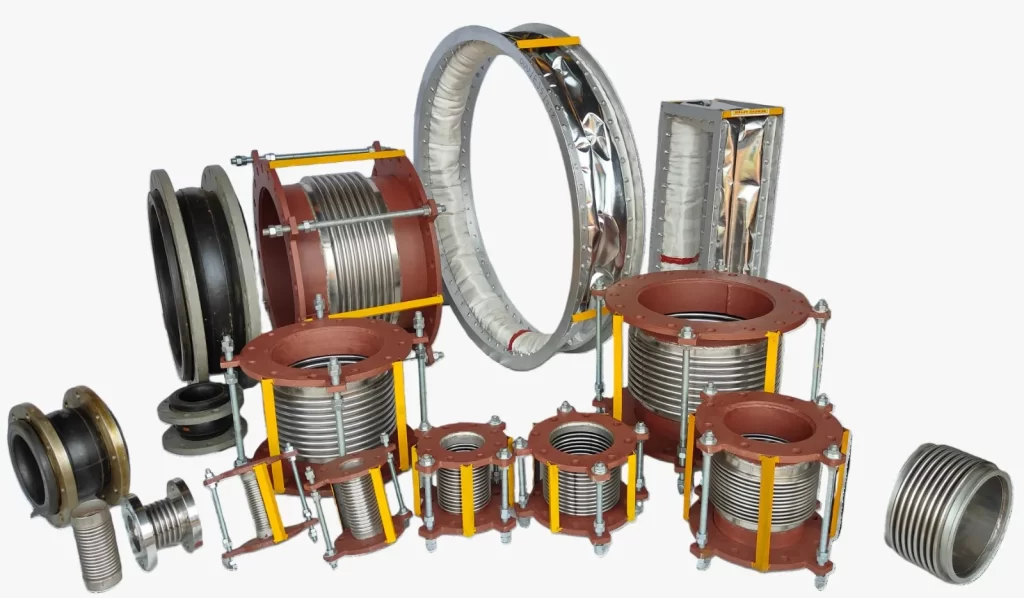
Inefficient piping configurations can result in excessive energy costs, failure, and subpar performance. Tight bends, excessive runs, and poor support can produce pressure loss and excess wear. But you can optimize your configuration through careful planning and following best practices without having to tear everything out. To enjoy the optimal piping system, you must reach out to the optimal metal expansion joint manufacturer.
With regard to process piping layout optimization, a cautious approach can pay off big time. Begin by considering material flow and having the pipes in such a way that they are kept straight to avoid bends and excess length. Easy access for maintenance should be maintained, and bundling similar systems can help reduce installation costs and time. In this article, we will guide you on how to optimize piping layouts for maximum performance.
Different Methods for Piping Layouts Optimization Assist in Optimal Performance
Piping systems are arteries of any process or mechanical facility. Trouble is caused by bad piping design; optimization improves efficiency and safety.
- Reduce pressure drops
In order to make your piping system more efficient and minimize friction loss, install large-diameter pipes wherever practical. This approach makes the flow of the fluid smooth and less resistant. Make an effort to provide a straight route for the fluid without suddenly changing direction. Attempt to use as few extraneous elbows and tees as possible, since these fittings have a tendency to disrupt the pattern of flow and cause energy loss. With the assistance of the metal bellows expansion joint, you can have the best piping experience.
- Plan for proper sloping
Gravity-fed systems like drains and condensate lines need a specific slope for smooth flow. A suggested typical gradient is 1/4 inch per foot, where water flows without backing up or pooling. Proper installation of the slope is essential for effective drainage performance and avoiding plumbing problems.
- Avoid vibration and resonance
While installing piping systems, one must try to avoid unsupported long sections or spans that could resonate with vibrations from pumps or motors. To avoid this, make sure the pipe hangers, guides, and supports are properly installed based on the particular size and type of pipes. Proper spacing and installation of these supports assure system integrity and reduce the likelihood of vibration-related issues. With the assistance of the top metal expansion joint manufacturer, you can resolve the problem by possessing the top piping system.
- Adhere to the direction of flow and piping codes
Layout needs to be well-planned so that it comes in exactly the right fit with the arrows of the desired flow direction so that the users feel a smooth and seamless navigation process. It is also important to follow standard industry practices because this guarantees the consistency of design and greatly improves the overall usability and helps the user navigate with comfort and confidence.
- Optimize the layout for energy efficiency
For maximum operational efficiency, seek to have fewer pumps or compressors by reducing head loss strategically and optimizing flow paths. Insulate pipes by fitting them with insulation to conserve heat or deter condensation, especially where there is sufficient ventilation, such as in hot water systems and air conditioning installations. It not only makes the system more energy-efficient but also improves the performance of the system and extends the lifespan of the system.
An optimized layout of piping not only generates cost savings and saves time but also improves system performance, safety, and sustainability. Whether you’re designing an easy plumbing network or a complicated industrial system, money spent on careful layout planning reaps benefits in the long run.