
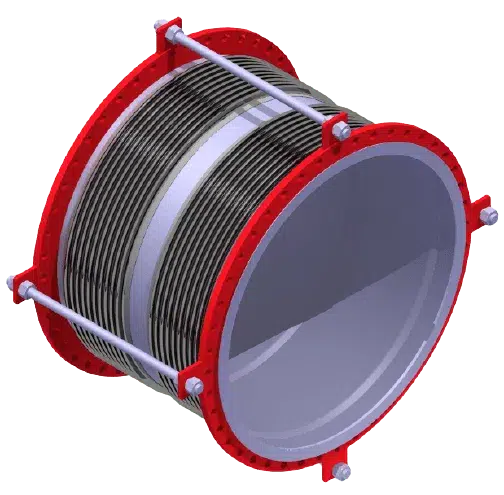
Covers like manhole covers, trench gratings, and utility access panels are critical in industrial installations and city infrastructure. Static weight is supported by covers but typically encounter more complicated real-world loads. Dynamic loads-forces varying with time by movement, impact, or vibration-play a vital role in lifespan. Dynamic factors need to be identified and minimized to make these vital parts more durable and reliable. By obtaining the services of the best universal joint bellows manufacturer, you will be able to obtain the best manhole covers.
Dynamic loads are from vehicles, pedestrian traffic, or equipment, leading to repeated stresses over covers. Static loads differ from dynamic loads in the sense that dynamic loads induce cyclical stress, leading to material fatigue and ultimately cracking and possible failure. Understanding these loads aids in the design of durable covers that can be used in actual use. Below, we shall offer four points information on the contribution of dynamic loads towards cover durability. We shall start by discussing the topic. Shall we?
Different Contributions of Dynamic Loads towards Cover Endurance
- Fatigue and material degradation
Repeated loading and unloading cycling can cumulatively develop fatigue cracks in metal as well as composite covers. Even if each load is perpetually below the maximum strength limit of the material, long-term exposure to these cycle stresses will eventually lead to failure in the long run. This low-level but continuous stress may lead to degradation of structural integrity, and hence it is a must to know and reduce fatigue effects such that durability and safety are achieved. By the best universal expansion joints manufacturer in India, safe and secure covers are what you can have.
- Wear and tear on areas of contact
Dynamic loads cause stress to localize at contact points, especially edges and hinges. The localized stress tends to cause an increase in wear and tear, especially on concrete or lighter composite material. The effects of such a phenomenon are drastic, as it is likely to reduce the lifespan of components and structures, exposing them to damage and necessitating more time between repair or maintenance.
- Vibration-induced loosening
In frame-and-cover installation, motion due to traveling traffic can lead to a loss of tightening of bolts with the course of time or misalignment of the cover. Apart from providing potential hazards, this results in frustrating noise complaints, like annoying rattles. These issues demonstrate how aversive installation and maintenance must be ensured to avoid accidents and ensure a peaceful environment.
- Decreased service life
The repetitive stress caused by dynamic loads contributes to increased wear and tear of the cover, cutting down dramatically its functional life. The increased wear and tear not only necessitates more maintenance but also pre-mature replacement. This is thus resulting in increased cost and operational down time, ultimately affecting productivity and efficiency.
- Micro-movement and surface deformation
Even seemingly trivial dynamic loads-like the ever-present ebb and flow of pedestrians-can induce subtlety extreme but barely noticeable surface warping and micro-movements. These long-slow deformations, all too often not at first appreciated, can undermine the cover’s capacity to be perfectly flush with the ambient surface. Gradually over time, this misalignment can contribute to the promotion of possible tripping hazards, presenting extreme safety risks for those traversing the space.
Dynamic loads take a significant part in infrastructure cover lifespan and reliability. Although the systems are built to be pressure-resistant, it’s the constant vibration, movement, and stress repetition that may reduce them over time. Using robust materials, applying brilliant engineering design, and ensuring regular inspections may make covers remain safe, resilient, and functional for dynamic conditions.